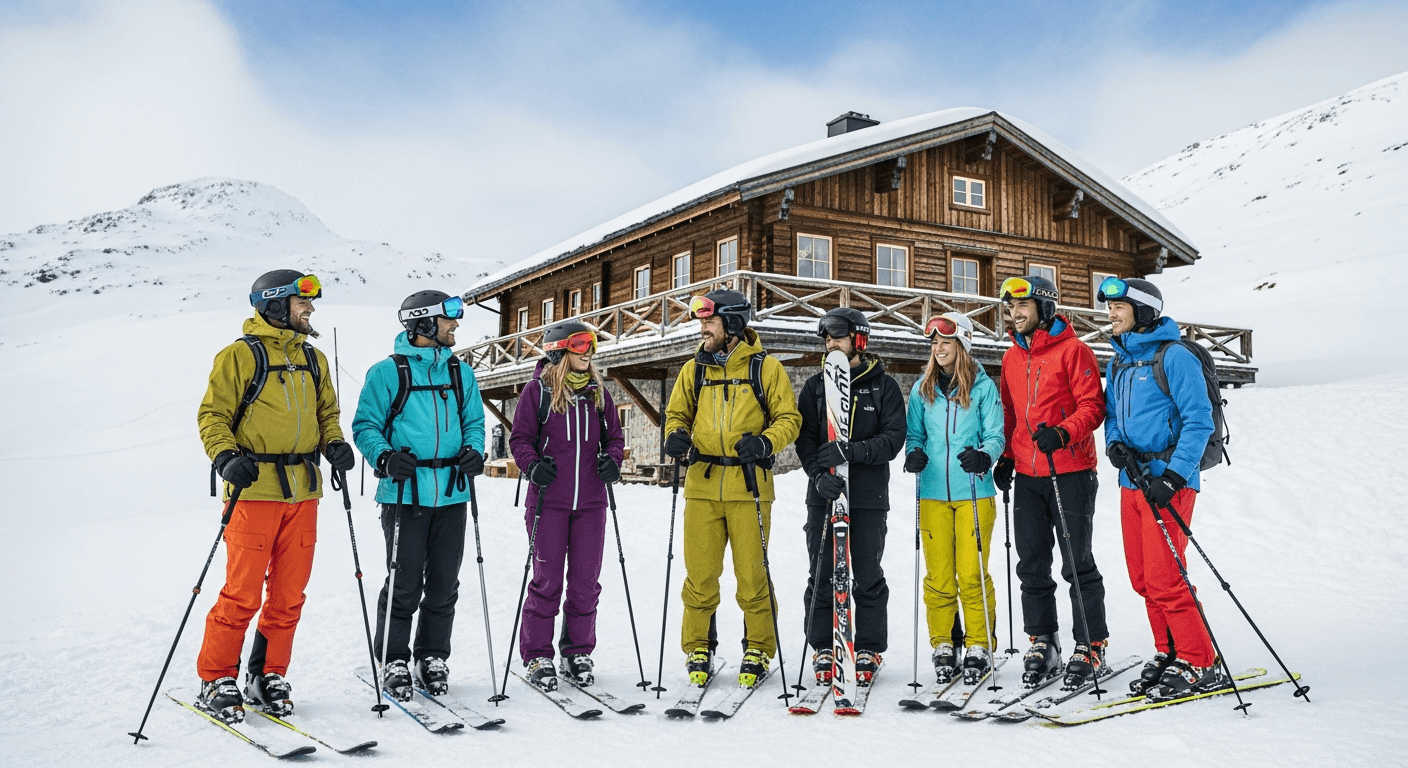
The Allure (and Chaos) of the Group Ski Trip
There's something magical about a ski trip with friends. Crisp mountain air, powder days, hot tubs after long runs, and evenings spent cooking dinner together in a cozy lodge. It's the kind of trip people look forward to all year.
But behind every great ski trip is an organizer who booked a $5,000 lodge, bought a group lift ticket package, stocked the kitchen with groceries, and is now staring at a spreadsheet trying to figure out who owes what. Ten people confirmed. Two backed out last week. One is only coming for two of the four nights. And somebody brought a friend who nobody budgeted for.
Sound familiar? Ski trips are particularly prone to cost chaos because there are so many shared expenses layered on top of each other. Let's break down how to handle them without losing your mind—or your friendships.
The Real Cost of a Group Ski Trip
People always underestimate ski trip costs. They think about the lodge and lift tickets, but they forget about everything else. Equipment rental for the non-skiers. Groceries for a week of feeding ten hungry adults. Gas for multiple cars driving to the mountain. Parking passes. Hot tub chemicals. Firewood. The $200 worth of beer that disappeared on the first night.
A typical four-night ski trip for a group of ten can easily run $8,000-$12,000 in total shared costs. That's $800-$1,200 per person—real money that needs to be collected from real people who have varying degrees of financial reliability.
The organizer who books all of this on their personal card is essentially giving their friends an interest-free loan. And we all know how personal loans between friends tend to work out.
The "I'm Only Coming for Two Nights" Problem
This is the group ski trip's signature dilemma. The lodge costs $4,000 for the week whether someone stays two nights or five. Lift tickets were bought as a group package at a per-person rate. The groceries were planned for ten but now eight people are eating them.
The fairest approach depends on the specific cost. For the lodge, consider splitting by night—if someone stays two of four nights, they pay half a share. For lift tickets, each person pays for the days they ski. For groceries, split among everyone who's there, adjusted by nights stayed.
But here's the thing: these calculations get complicated fast. And trying to sort them out after the trip, when everyone's back home and the memories are blending together, is a recipe for disagreements. Settle the framework before the trip. Collect the money before the trip. Use Pooled to make it transparent and painless.
Creating Your Ski Trip Pool
Before you book anything, create a pool on Pooled with a detailed breakdown. List the lodge cost per person, estimated lift ticket group rate, grocery fund contribution, and any other shared expenses. Be thorough—it's better to overcommunicate than to surprise people later.
Set the contribution deadline well before you need to book. Lodge availability in ski towns goes fast, so give yourself a buffer. When you share the pool link in the group chat, include the full breakdown: "$400 for your share of the lodge, $250 for the 3-day lift pass, $100 for the grocery fund. Total: $750 per person. Please contribute by December 15 so I can lock in the lodge."
When people can see exactly what they're paying for and can verify that everyone else is contributing too, compliance goes way up. Nobody wants to be the empty bar on the progress tracker.
Handling the Last-Minute Dropout
Ski trips are notorious for last-minute dropouts. Someone gets sick. Someone can't get the days off. Someone's car breaks down. Whatever the reason, when someone drops out after the lodge is booked, the remaining members are stuck covering the difference.
Pooled prevents this by collecting money before bookings are made. If someone hasn't paid into the pool by the deadline, they're not part of the plan. You book for the number of people who actually contributed, not the number who said "I'm in" in the group chat.
For situations where someone needs to drop out after paying, you can handle it within the group—maybe they find a replacement, or the group votes on whether to refund them from excess funds. But at least the organizer isn't the one stuck with the bill.
On the Mountain: Managing Daily Expenses
Even with the big costs handled, ski trips generate plenty of daily expenses. Lunch on the mountain. Apres-ski drinks. A mid-week grocery run. The $40 in parking that someone forgot to budget for.
A separate small pool on Pooled for daily group expenses works well here. Each person contributes $100-$150 to a daily fund, and one person handles payments for group meals and incidentals. It prevents the constant "I'll get this one, you get the next one" cycle that inevitably results in someone paying way more than their share.
The goal is to spend as little time as possible thinking about money while you're on the mountain. Handle the finances upfront, fund a daily kitty, and then focus on making turns and making memories.

The Ski Trip You'll Actually Want to Repeat
The best group ski trips become annual traditions. But they only become traditions if the first one goes smoothly—not just on the mountain, but financially. Nobody signs up for a repeat trip if they spent six weeks afterward chasing people for money.
By using Pooled to handle the financial coordination, you set a precedent for how the group operates. Money is collected upfront. Everything is transparent. The organizer is appreciated instead of resented. And when December rolls around again and someone says "So... ski trip?" everyone is genuinely excited instead of quietly dreading the money conversation.
Plan smart. Collect upfront. Hit the slopes with a clear mind. That's the ski trip formula that works every time.